


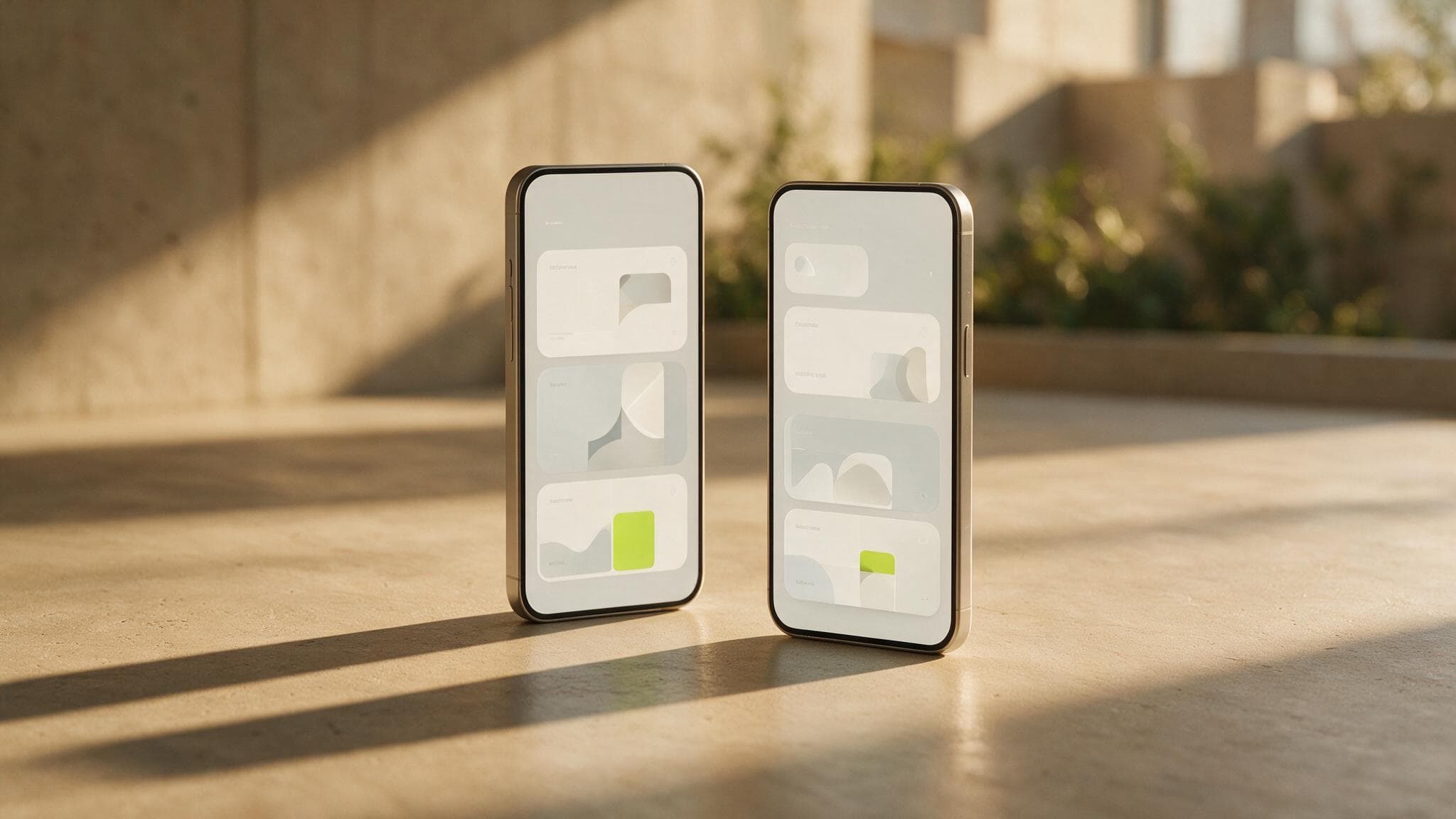


CHAVU designs clothes with an opinion — considered fabrics, quiet details, silhouettes that move. Their store sold them like inventory. Eighty percent of traffic arrived on mobile, bounced at 71%, and the brand that made people follow on Instagram was nowhere on the page they landed on.
The gap between the feed and the shop
We ran session replays across two hundred mobile visits. People arrived from a specific post, looking for a specific piece, and landed in an undifferentiated grid. The emotional context that made them click evaporated in one page load. They were not comparison shopping. They had lost the thread.
The store was organised for someone browsing a catalogue. Nobody was browsing a catalogue.
Selling collections, not SKUs
We restructured around drops. Each collection gets a landing experience with its own art direction, editorial imagery at the scale it was shot for, and a clear "one silhouette, three shades" narrative that makes buying two pieces the obvious move rather than an upsell.
Products still live in a catalogue for people who want one, but the default path now mirrors how the brand is actually discovered: a collection, a story, then the piece.
If your product grid could belong to any brand, you are paying for traffic and giving away the reason it converted.
Mobile as the primary canvas
Every screen was designed at 375px first and scaled up. Imagery is cropped for portrait, not letterboxed from desktop. Add-to-cart stays within thumb reach through the entire scroll. Sale badges and price comparisons were rebuilt so the discount reads instantly without shouting over the photography.
Designing the second purchase
The list signup was moved out of the footer and framed as early access to the next drop — a reason to subscribe rather than a discount bribe. Post-purchase, buyers get styling context for what they bought instead of a generic upsell. Repeat purchase rate went to 2.4x its previous level.
Where it landed
Across three collection drops, revenue per visitor rose 62% and average order value 34%, on essentially flat traffic spend. Mobile bounce fell 51%. The growth came from converting the audience they already had.